
Galaxy information
Triangulum Galaxy
A face-on spiral galaxy whose future entries will depend on confirmed observations rather than fictional worlds.
Observational image — source details pendingSpiral galaxy
Travel reality
Distance at human spacecraft speeds
Physical reference only; a spacecraft with mass cannot reach light speed.
No operational human spacecraft can approach this cruise speed.
Parker reaches this record near the Sun; it is not an interstellar cruise capability.
A practical comparison with a spacecraft on an interstellar trajectory.
Image gallery
Triangulum Galaxy visual references
The page presents two selected observational references for this galaxy. Source and license details must match the original download pages.
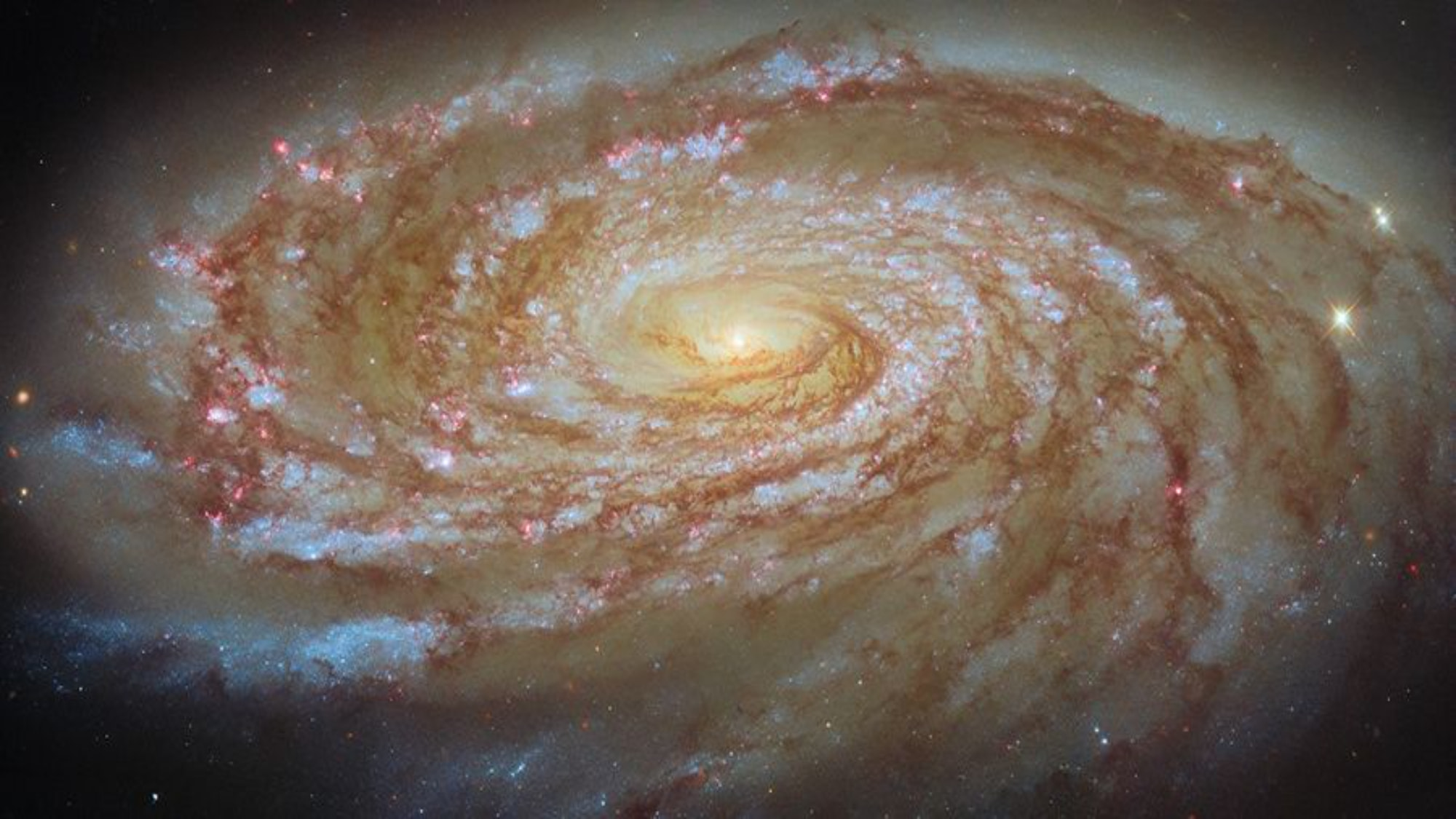
Observational reference
Triangulum Galaxy observational overview
The primary external view selected for the Triangulum Galaxy.
The original source page, author credit and reuse license must be recorded before commercial promotion.Source: Source details pending ↗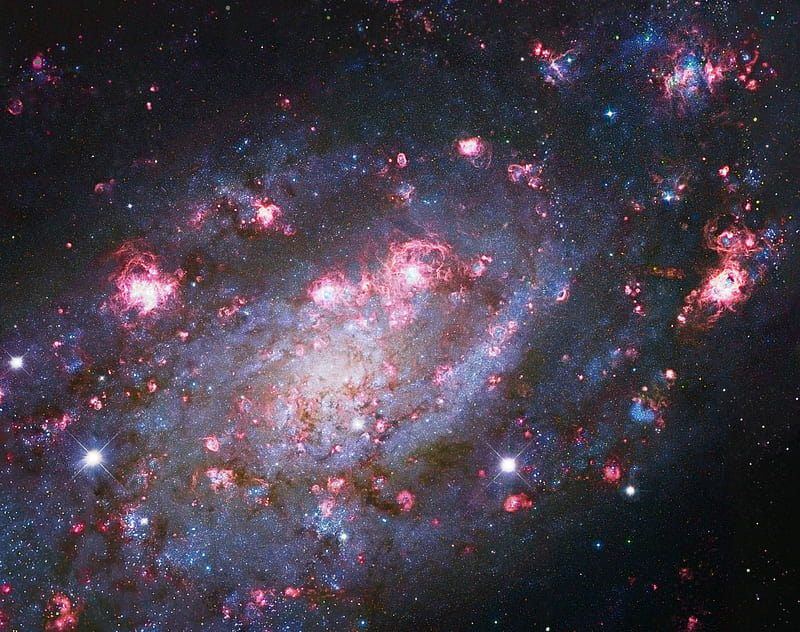
Observational reference
Triangulum Galaxy detailed reference
A second detailed Triangulum reference selected for the information gallery.
The original source page, author credit and reuse license must be recorded before commercial promotion.Source: Source details pending ↗Life potential
How likely is other life somewhere in Triangulum Galaxy?
Triangulum is smaller than Andromeda but still contains enough stars to make life plausible somewhere inside it.
Possible but weakly constrained
Why this score?
- It is a spiral galaxy with active star-forming regions.
- Its smaller stellar population lowers the score relative to larger galaxies.
- Direct knowledge of its planets and biosignatures is extremely limited.
This estimate is intentionally broad and speculative.
Structure
Triangulum is a smaller spiral galaxy viewed close to face-on, making its arms and star-forming regions easy to study.
Scientific interest
Its vigorous star formation provides a useful comparison with the Milky Way and Andromeda.
Catalog policy
No individual habitable planets are claimed here. The request system measures public interest until reliable discoveries can support real entries.