
Galaxy information
Andromeda Galaxy
Collect requests now to prioritize a future galaxy catalog built only from defensible observations.
Observational image — source details pendingSpiral galaxy
Travel reality
Distance at human spacecraft speeds
Physical reference only; a spacecraft with mass cannot reach light speed.
No operational human spacecraft can approach this cruise speed.
Parker reaches this record near the Sun; it is not an interstellar cruise capability.
A practical comparison with a spacecraft on an interstellar trajectory.
Image gallery
Andromeda Galaxy visual references
The page presents two selected observational references for this galaxy. Source and license details must match the original download pages.
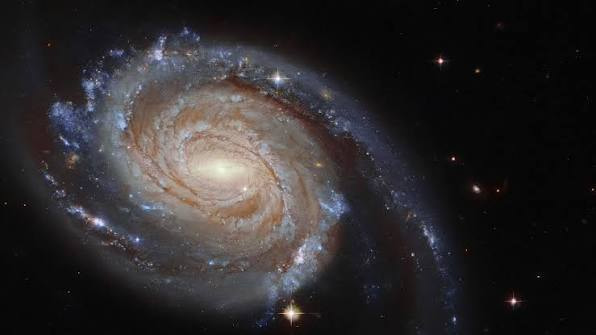
Observational reference
Andromeda Galaxy observational overview
The primary external view selected for the Andromeda Galaxy.
The original source page, author credit and reuse license must be recorded before commercial promotion.Source: Source details pending ↗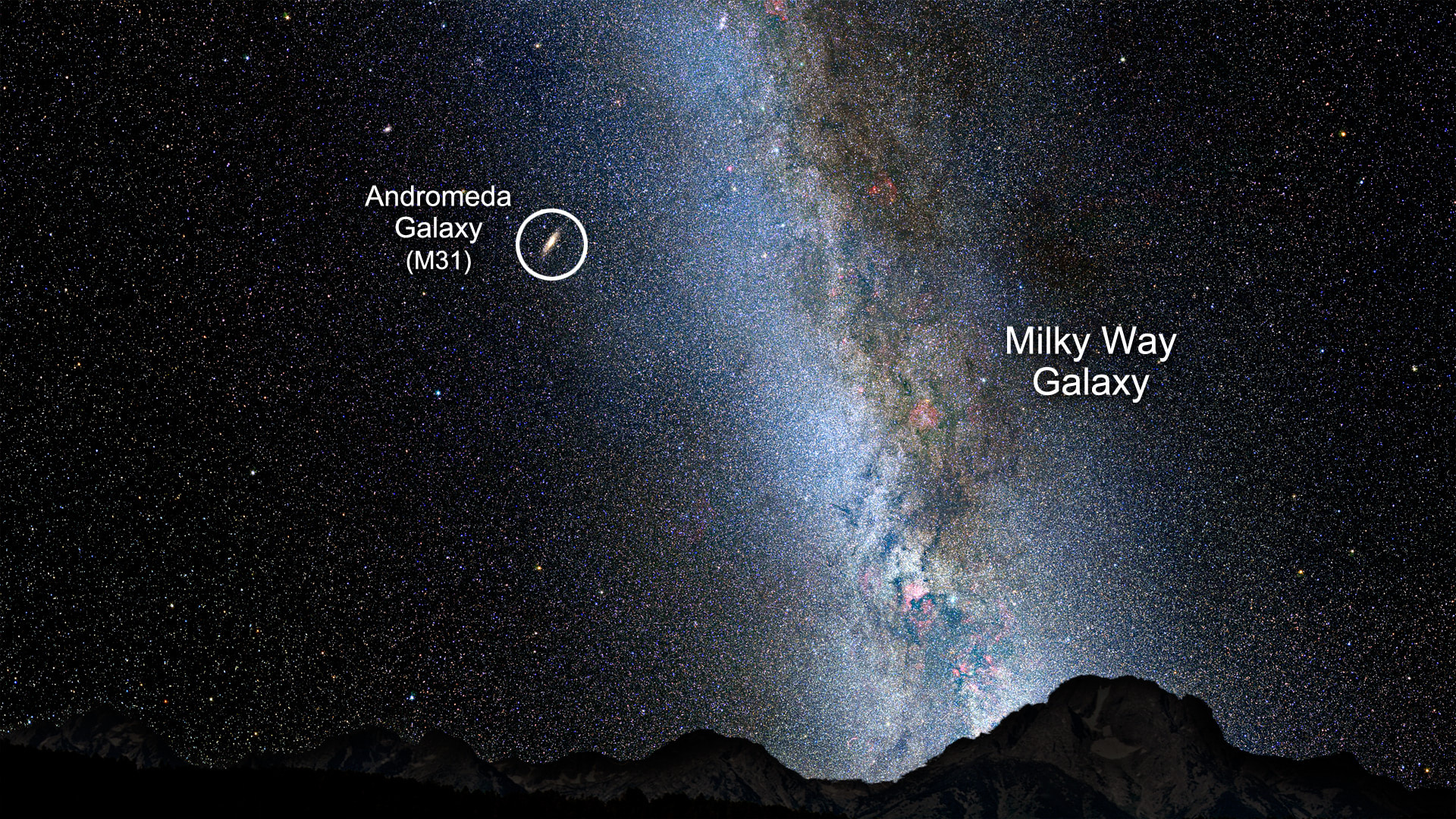
Observational reference
Andromeda Galaxy ground reference
A second ground-based Andromeda reference selected for the information gallery.
The original source page, author credit and reuse license must be recorded before commercial promotion.Source: Source details pending ↗Life potential
How likely is other life somewhere in Andromeda Galaxy?
Andromeda is a massive spiral galaxy with a huge stellar population, making additional life somewhere inside it plausible on broad statistical grounds.
Very plausible somewhere
Why this score?
- It is a large spiral galaxy rich in stars.
- Large galaxies provide many opportunities for planet formation.
- We lack a detailed planet census there compared with the Milky Way.
Uncertainty is much higher than for the Milky Way because individual planets are difficult to study.
Why it matters
Andromeda is the nearest major galaxy to the Milky Way and a natural target for a future large-scale catalog.
What we can observe
Astronomers can resolve large stellar populations and star-forming regions, but individual Earth-like planets remain far beyond current confirmation methods.
Catalog policy
Rate the Earth will not invent individual planets. Requests are collected now so verified future discoveries can be prioritized when data becomes available.